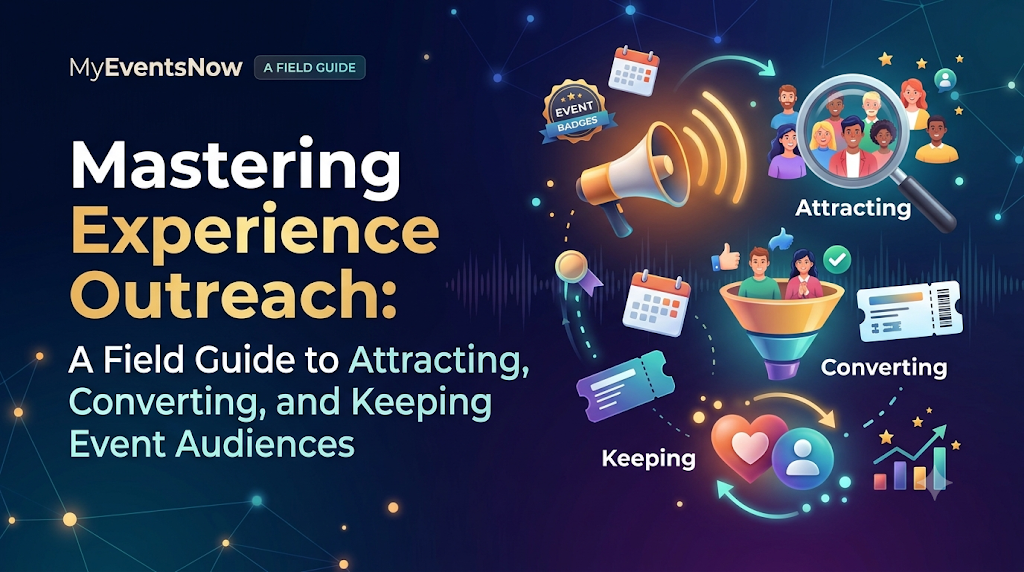
Every creator or team behind a live program knows the uneasy silence of an underperforming dashboard. You have spent months locking down an inspiring space, coordinating talent, testing soundboards, and refining every operational detail. Yet, with two weeks remaining on the countdown, registrations crawl forward in single digits. Meanwhile, across the same zip code, prospective attendees spend their commute scrolling through social channels, genuinely wishing they had something memorable on their calendar.
The stumbling block is almost never the substance of the gathering. It is the fractured, unpredictable path people must navigate to find it. When announcements get swallowed by feed algorithms, buried in private chat groups, or lost inside crowded inboxes, quality gatherings fall through the cracks. Fixing this dynamic does not mean shouting louder into the digital void. It means understanding how contemporary audiences actually hunt for plans, removing every point of friction along their path, and building an outreach system that reliably turns curious browsers into confirmed guests.
The Cultural Shift in How Audiences Uncover Things to Do
A generation back, drumming up attendance followed a tangible, localized rhythm. You printed thick cardstock posters for neighborhood bulletin boards, pitched a paragraph to the city paper’s weekly culture desk, and dispatched a clean announcement to an opt-in mailing list. People checked those specific places because physical and regional hubs naturally focused community attention.
Mobile habits dismantled that centralized model. Today, discovery occurs across an ever-shifting mosaic of algorithmic timelines, direct-message threads, synced digital calendars, and focused curation hubs. Modern consumers almost never make a booking decision on a single impression. An attendee might initially glimpse an instructor’s name on a professional feed, notice the workshop mentioned inside a regional cultural bulletin two days later, and finally complete their registration while browsing an event digest over coffee.
Because consumer attention is fragmented, isolated promotional pushes produce diminishing returns. Generating reliable attendance requires establishing a presence across the exact venues where people browse with conscious intent. Furthermore, attendee standards have sharpened: people do not want generic filler to pass an evening; they want thoughtful, well-coordinated experiences that respect their tight schedules and financial commitments.
Analyzing the Three Core Mindsets Behind Attendee Search
Designing an effective outreach initiative requires understanding what actually compels an individual to surrender a free evening or spend hard-earned discretionary income. Attendee search patterns generally reflect three distinct mindsets:
Career Development and Applied Learning
Individuals researching technical clinics, executive roundtables, or professional summits operate with an investor’s discipline. They look for tangible returns: field-tested methods, verified credentials, and high-caliber peer networking. For this demographic, operational precision beats clever marketing slogans every time. Your event page must provide exact timetable breakdowns, list the concrete competencies being taught, and demonstrate genuine instructor authority. Vague promises or ambiguous agendas cause these buyers to click away immediately.
Leisure, Arts, and Spontaneous Exploration
This group is looking for entertainment, food tastings, live sets, or social afternoon outings. Their purchasing choices depend on aesthetic tone, visual appeal, geographic convenience, and clear, all-inclusive ticket pricing. Compelling photography, unambiguous parking instructions, and uncomplicated admission categories give them the confidence to purchase on impulse or pitch the outing to friends for a weekend group plan.
Shared Passions and Grassroots Gatherings
A massive demographic of attendees seeks low-pressure environments to pursue hobbies—from community life drawing and amateur game nights to open garage maker sessions. In this environment, psychological safety and social comfort are everything. Clearly articulating experience expectations (such as “no prior experience required”), appropriate dress, and the overall group culture removes the quiet anxiety that keeps newcomers on the fence.
Assembling a Multi-Channel Discovery Engine
Relying on a single marketing channel—such as paid search ads or sporadic social updates—leaves any production vulnerable to sudden platform shifts and ad fatigue. A durable strategy functions as an interconnected system where diverse touchpoints support one another.
| Discovery Channel | Attendee Mindset | Core Role in Strategy | Best Applications |
| Dedicated Discovery Hubs | High intent; actively seeking plans | Categorized listings, geographic filters, instant booking | Pop-up workshops, live concerts, indie markets |
| Search Engine Presence (SEO) | High intent; searching specific dates or topics | Search-optimized pages, venue FAQs, presenter bios | Recurring conferences, annual expos, masterclasses |
| Community Co-Hosts | Warm trust through familiar voices | Cross-promotions, joint panels, bundled passes | Neighborhood mixers, studio sessions, collaborative pop-ups |
| Direct Newsletters | Proven affinity; dedicated past followers | Pre-sale invitations, agenda previews, member perks | Returning attendees, alumni networks, specialized clubs |
| Visual Social Feeds | Casual browsing; open to visual cues | Short venue walk-throughs, soundbites, atmosphere clips | Night markets, festivals, interactive demonstrations |
When these elements align, interested individuals encounter a coherent, dependable message at every step of their evaluation process.
Writing Event Pages That Satisfy Search Engines and Skimmers
When people research upcoming activities online, page structure directly determines whether they stick around or hit the back button. Search engines look for semantic structure, while busy readers want fast, practical answers to basic logistics.
Start with a title that communicates the core concept immediately. Avoid clever, ambiguous codenames. A title like “Ascend 2027” tells search bots and casual readers nothing; renaming it “Ascend 2027: Midwest Precision Agriculture Summit” clearly outlines the topic, target industry, and scope.
Cover essential details within the first two paragraphs:
- The clear premise of the gathering and who should attend.
- The calendar date, starting and ending times, and time zone.
- The exact physical address with neighborhood landmarks, or virtual access instructions.
- Exactly what admission includes—such as materials, catering, or post-event recordings.
- The core run-of-show or main stage timetable.
Break up long explanations with clear subheadings, brief paragraphs, and bullet points. Dedicate space to mundane but critical details: nearest transit stops, parking access, accessibility accommodations, and refund terms. Laying this out in plain text answers reader concerns instantly while giving search engines the contextual data needed to surface your listing for localized queries.
Reaching Active Audiences on Dedicated Discovery Channels
Maintaining an independent project site or organizational page is standard practice, but specialized discovery platforms provide something self-hosted pages spend years trying to build: a steady stream of people who are already looking to book plans. Visitors arriving on dedicated aggregator hubs are not passively consuming media; they arrive with the specific intention of finding an experience and reserving a spot.
Connecting with an established network exposes your listing to audiences who might never discover an independent site through ordinary search terms. For instance, event discovery and ticket booking platforms like MyEventsNow provide an active ecosystem where independent organizers, creators, and commercial businesses can present their schedules directly to crowds searching for local happenings, specialized workshops, and weekend entertainment.
This visibility is especially valuable for boutique teachers, emerging creatives, and grassroots community organizers working on lean budgets. Well-structured discovery platforms rank gatherings by category, geographic radius, and calendar date rather than sheer ad spending. That allows an intimate neighborhood pottery class to stand proudly alongside major civic festivals, giving attendees a richer, more diverse look at their local cultural scene.
Removing Roadblocks from Discovery to Confirmation
The step from browsing an event page to finishing registration is where many organizers inadvertently lose their audience. Every confusing input field, hidden surcharge, or sluggish checkout screen gives prospective visitors an excuse to drop out. Creating a smooth checkout flow requires strict attention to transparency and simplicity.
Clear, All-Inclusive Ticket Tiers
Unexpected processing add-ons or confusing admission tiers lead to swift checkout abandonment. State all costs straightforwardly from the start. If an early registration discount has an expiration date, make the deadline prominent beside standard rates. If a premium ticket includes reserved seating or extra networking perks, lay those out clearly in a simple bulleted list directly below the tier description.
Trimming Unnecessary Registration Fields
Asking for unnecessary personal information during initial checkout creates immediate friction. Unless you are printing personalized badges or coordinating security credentials that require advance clearance, keep checkout forms minimal: full name and an active email address are often all that is necessary. Non-essential surveys, dietary preferences, or background questions can easily be gathered through an automated follow-up form after the booking is completed.
Sending Actionable, Immediate Confirmations
The attendee experience begins the moment registration is completed. The confirmation email should arrive within moments, serving as a comprehensive logistical anchor for the attendee. Effective confirmation messages clearly provide:
- A prominent calendar invite attachment (.ics file) compatible with major digital calendars.
- Clear admission identifiers, whether digital entry codes, order numbers, or printable badges.
- Explicit venue details, including driving directions, parking bay numbers, or transit stops.
- A concise summary of check-in procedures to eliminate arrival-day confusion.
Keeping Attendees Warm Between Booking and Showtime
Selling a ticket does not guarantee an enthusiastic attendee on event day. High no-show numbers remain an ongoing headache, especially for complimentary community gatherings, business roundtables, and virtual workshops. Transforming registered names into engaged participants requires steady, thoughtful communication throughout the countdown to the event.
Share useful, value-packed updates rather than generic countdown blasts:
- Speaker and Host Spotlights: Share brief profiles detailing the practical experience, unusual projects, or background of featured presenters.
- Preparation Notes: Distribute optional reading lists, software download links, or discussion themes so attendees arrive ready to contribute.
- Neighborhood Guides: Recommend nearby spots for coffee, lunch, or parking to ease travel stress for out-of-town guests.
- Audience Input: Send out a single, quick question asking what specific topic or question they hope gets addressed during the open Q&A.
Two or three well-timed, thoughtful updates build genuine excitement while respecting the attendee’s schedule and email limits.
Measuring What Mattered: Evaluating Success Beyond Headcounts
Evaluating the success of a gathering requires looking beyond top-line revenue or registration tallies. While filling seats is a vital practical requirement, post-event metrics reveal whether an experience resonated with attendees and established a durable foundation for future initiatives.
Registration-to-Attendance Conversion Rates
The gap between total ticket reservations and physical check-ins offers direct insight into audience commitment. A low conversion rate often signals weak pre-event communication, confusing venue logistics, or a lack of perceived urgency. Tracking this metric across recurring events allows organizers to benchmark improvements in attendee retention strategies.
Session Retention and Physical Flow
For multi-track conferences, expos, or daytime festivals, observing how attendees move through spaces provides actionable feedback. Did participants remain engaged throughout the closing sessions, or did attendance thin out significantly after midday? In virtual settings, did viewers drop off after specific presentations? Pinpointing when attendee attention wanes helps planners adjust pacing, break frequencies, and content density for subsequent programs.
Qualitative Attendee Feedback
Constructive feedback gathered within twenty-four hours of an event provides the most authentic perspective on the attendee experience. Keep survey requests concise, focusing on core experiential dimensions:
- Clarity of pre-event communication and check-in procedures.
- Quality, relevance, and pacing of the core programming.
- Comfort of the venue environment, seating, and audio-visual setups.
- Likelihood of recommending future editions to colleagues or friends.
Encouraging honest, open-ended responses allows organizers to uncover blind spots—such as difficult venue acoustics or inadequate break times—that numerical metrics alone cannot reveal.
Frequently Asked Questions
What are the most effective ways to promote a small community event with a limited budget?
Organizers working with constrained budgets should focus on hyper-local distribution and established community hubs. Listing the gathering on free regional event discovery platforms, submitting dates to municipal calendars, and sharing details with relevant interest groups or neighborhood forums generates organic interest without advertising expense. Partnering with nearby local businesses to co-promote via notice boards or cross-mentions can also widen reach while maintaining deep community relevance.
How far in advance should organizers begin promoting their gatherings?
The ideal promotional timeline depends on the scale, cost, and travel requirements of the event. Large-scale conferences, multi-day festivals, and out-of-town workshops generally require four to six months of phased outreach to allow for travel planning, corporate approvals, and early-bird ticketing. In contrast, local single-day workshops, networking meetups, and evening performances typically experience their highest registration velocity within two to four weeks of the event date.
Why do free events suffer from high no-show rates, and how can this be reduced?
Free events lack financial commitment, making it easy for registrants to change their weekend or evening plans at the last minute without consequence. Organizers can reduce drop-off by maintaining regular, informative communication leading up to the date, requiring registrants to reconfirm their attendance via a simple one-click email three days prior, and establishing waitlists that communicate clear capacity limits.
What details are most frequently omitted from public event listings?
Event creators often overlook fundamental practical information that attendees need to plan their day smoothly. Commonly missing elements include exact schedule timelines (doors opening versus actual session start times), accessibility accommodations for individuals with disabilities, transparent refund and transfer policies, and specific guidance regarding parking availability, transit routes, or venue security rules.
How can virtual and hybrid events maintain high audience engagement throughout the day?
Virtual attendees face countless digital distractions, making lengthy passive lectures difficult to sit through. Organizers can maintain engagement by shortening presentation lengths to twenty or thirty minutes, scheduling frequent ten-minute breaks, and incorporating interactive elements such as live Q&A sessions, collaborative breakout rooms, and real-time polling to keep participants actively involved.
What should organizers prioritize when drafting post-event attendee surveys?
Keep post-event surveys short and easy to complete on mobile devices, ideally taking fewer than three minutes. Prioritize questions that evaluate the practical value of the content, the logistical comfort of the venue or platform, and overall satisfaction. Providing one or two open-ended text fields for honest, qualitative feedback yields the most valuable operational insights for planning subsequent gatherings.
Conclusion
Organizing a successful event involves far more than simply locking down a venue and scheduling presentations; it requires building a reliable, frictionless bridge between meaningful experiences and the audiences seeking them. By understanding the practical motivations of attendees, optimizing public listings with clear logistical details, and leveraging specialized event discovery ecosystems, creators can elevate their gatherings above the noise of crowded digital channels.
A thoughtful approach to the entire attendee journey—from the moment an event is first discovered, through a transparent registration process, to consistent pre-event communication—transforms passive interest into confirmed, engaged participation. When organizers prioritize clarity, respect attendee time, and focus on delivering genuine value at every stage of the experience, they not only achieve sustainable attendance for their current projects but also cultivate an enduring, loyal community eager for future gatherings.

Best Cardiac Hospitals Near You
Discover top heart hospitals, cardiology centers & cardiac care services by city.
Advanced Heart Care • Trusted Hospitals • Expert Teams
View Best Hospitals