Introduction
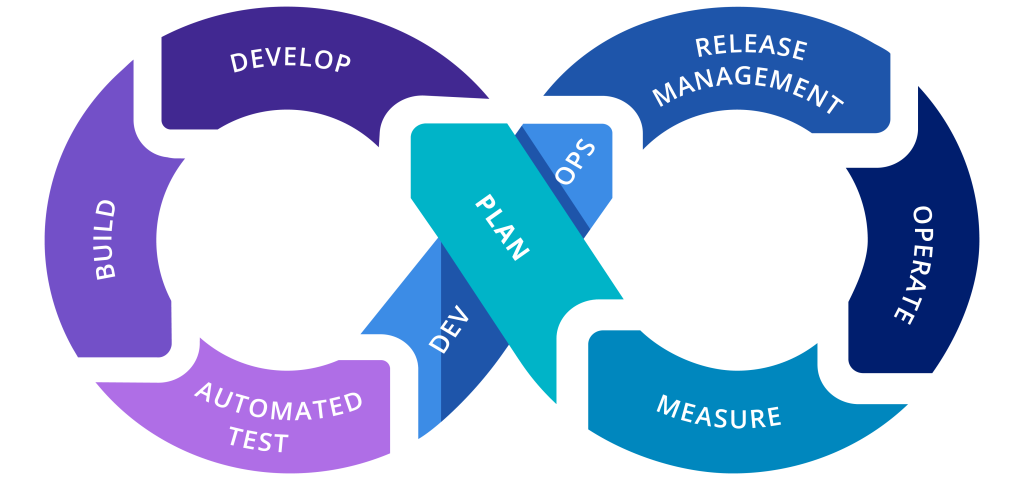
The Certified DevOps Engineer certification is one of the most valuable credentials for professionals in the field of DevOps, SRE, and related domains. As organizations continue to adopt DevOps practices to streamline their development and operations, this certification can set you apart by validating your skills in continuous integration (CI), continuous delivery (CD), automation, and monitoring. Whether you’re an engineer or manager, pursuing this certification will unlock new career opportunities and help you stay at the forefront of industry trends.
What is the Certified DevOps Engineer Certification?
The Certified DevOps Engineer (CDE) certification is a widely respected qualification that confirms an individual’s ability to manage and apply DevOps principles effectively. This certification emphasizes key DevOps components, such as automation, continuous integration and delivery (CI/CD), infrastructure management, cloud technologies, and fostering collaboration between development, operations, and security teams.
Who Should Take the Certified DevOps Engineer Certification?
The CDE certification is designed for professionals across various roles who are involved in the software development lifecycle. It is particularly beneficial for:
- DevOps Engineers: Professionals responsible for implementing automation and monitoring within the software development lifecycle.
- Site Reliability Engineers (SREs): Engineers who ensure that services are reliable, scalable, and meet performance standards.
- Platform Engineers: Individuals focused on building and maintaining the infrastructure for application deployment.
- Cloud Engineers: Professionals specializing in cloud platforms like AWS, Azure, or Google Cloud and their integration with DevOps practices.
- Engineering Managers: Managers who want to deepen their understanding of DevOps processes and tools to better guide their teams.
This certification is ideal for anyone who actively participates in the development, deployment, and management of software systems, or anyone aspiring to enter these roles.
Skills You’ll Gain
The Certified DevOps Engineer certification provides a comprehensive set of skills essential to becoming an expert in DevOps. After completing the certification, you will be proficient in:
- CI/CD Integration: Mastering automated build, test, and deployment pipelines to ensure rapid and reliable software delivery.
- Containerization with Docker and Kubernetes: Deploying, managing, and orchestrating containers to achieve consistent and scalable deployments.
- Infrastructure as Code (IaC): Using tools like Terraform, Ansible, and CloudFormation to manage infrastructure programmatically.
- Cloud Services and Automation: Utilizing platforms such as AWS, Azure, or GCP to automate resource provisioning and management.
- Monitoring and Logging: Implementing robust monitoring solutions for tracking application performance and system health in real-time.
These skills will not only make you proficient in the tools of the trade but will also prepare you to lead initiatives in automation, reliability, and system optimization.
Real-World Projects You Should Be Able to Do After This Certification
After achieving this certification, you will be capable of handling real-world projects such as:
- Designing and implementing CI/CD pipelines for automated software deployment.
- Containerizing applications and managing clusters using Kubernetes and Docker.
- Managing cloud infrastructure and utilizing automation tools to provision resources.
- Establishing monitoring and logging solutions to track the health and performance of applications.
- Ensuring scalability and high availability of systems in production environments.
Preparation Plan
Here’s a suggested preparation plan based on your timeline:
7-14 Days:
- Focus: Basic understanding of DevOps, key tools, and processes.
- Resources: Study introductory resources, watch tutorials, and take beginner-level courses.
- Practice: Set up small automation scripts and try simple CI/CD pipeline exercises.
30 Days:
- Focus: In-depth understanding of tools like Jenkins, Docker, Kubernetes, Terraform, and cloud platforms.
- Resources: Complete hands-on projects and advanced courses, explore case studies.
- Practice: Set up end-to-end DevOps pipelines, work on cloud services, and learn IaC deployment.
60 Days:
- Focus: Advanced DevOps practices, monitoring, performance testing, and security.
- Resources: Participate in DevOps-related webinars and workshops.
- Practice: Design a complete CI/CD system, deploy applications using IaC, and implement comprehensive monitoring solutions.
Common Mistakes to Avoid
When preparing for the Certified DevOps Engineer exam, avoid the following common pitfalls:
Not Using the Right Tools: Familiarize yourself with the most common tools used in the industry. Relying on just one tool or platform can limit your expertise.
Skipping the Basics: A solid understanding of core DevOps concepts is crucial. Don’t rush to advanced topics before mastering the fundamentals.
Focusing Only on Theory: DevOps is a hands-on field, so make sure you apply your learning in real-world projects and scenarios.
Ignoring Security: DevSecOps, which integrates security into the DevOps pipeline, is critical. Make sure security is part of your learning and practice.
Underestimating Monitoring: Many DevOps engineers neglect the importance of monitoring. It’s essential for maintaining system reliability in production.
Best Next Certification After This
Upon achieving the Certified DevOps Engineer certification, you may wish to pursue additional certifications based on your career trajectory:
- Same Track:
- Certified Kubernetes Administrator (CKA): For deeper expertise in container orchestration and Kubernetes management.
- Certified Jenkins Engineer: For those who want to focus on continuous integration and automation with Jenkins.
- Cross-Track:
- Certified AIOps Engineer: Learn to manage complex IT environments using AI-driven insights and automation.
- Certified DevSecOps Engineer: Focus on integrating security into the DevOps pipeline.
- Leadership:
- Certified DevOps Leader (DOL): Ideal for those looking to take on leadership roles within the DevOps domain.
Choose Your Path
The CDE certification provides a solid foundation for several career paths in modern IT infrastructure. Here are six learning paths you can pursue next:
- DevOps: Continue with advanced topics in automation and cloud architecture.
- DevSecOps: Add security layers to your DevOps pipelines and specialize in DevSecOps practices.
- SRE: Focus on system reliability, monitoring, and scaling.
- AIOps/MLOps: Dive deeper into AI-driven operations and machine learning workflows.
- DataOps: Learn the data engineering practices that integrate seamlessly with DevOps.
- FinOps: Specialize in managing financial operations in the cloud environment.
Role → Recommended Certifications Mapping
| Role | Recommended Certifications |
|---|---|
| DevOps Engineer | Certified DevOps Engineer, CKA, Jenkins Engineer |
| SRE | Certified DevOps Engineer, Certified Kubernetes Administrator |
| Platform Engineer | Certified DevOps Engineer, CKA, Cloud Certified Solutions Architect |
| Cloud Engineer | Certified Cloud Architect, Certified DevOps Engineer |
| Security Engineer | Certified DevSecOps Engineer, Certified Ethical Hacker |
| Data Engineer | Certified DataOps Engineer, Google Professional Data Engineer |
| FinOps Practitioner | Certified FinOps Practitioner |
| Engineering Manager | Certified DevOps Leader, Certified Agile Leadership |
Top Institutions Offering CDE Training & Certification
1. DevOpsSchool
DevOpsSchool is a leading provider of DevOps and cloud computing training. They offer a wide range of DevOps certification programs, including the Certified DevOps Engineer (CDE) certification. With hands-on, instructor-led training and a focus on practical application, DevOpsSchool ensures that students gain real-world experience. They provide a comprehensive curriculum covering automation, cloud platforms (AWS, Azure, GCP), containerization (Docker, Kubernetes), and CI/CD tools (Jenkins, GitLab). Additionally, their courses come with lifetime access to study materials and career support.
2. Cotocus
Cotocus offers cutting-edge DevOps training that emphasizes hands-on learning and real-world applications. Their CDE certification course is designed to equip students with the tools and methodologies needed for end-to-end automation and continuous delivery. Cotocus specializes in providing practical, project-based training, and their curriculum includes topics like Kubernetes, Docker, Jenkins, Terraform, and cloud services like AWS. Cotocus also provides post-training job assistance to help students transition into their new DevOps roles.
3. Scmgalaxy
Scmgalaxy is renowned for its in-depth DevOps training programs and has helped thousands of professionals earn DevOps-related certifications. Their CDE training program focuses on industry-standard tools and techniques used in CI/CD, cloud platforms, and automation. Scmgalaxy’s instructors have extensive industry experience, and the courses include hands-on labs, real-world projects, and job placement assistance. The training helps students master Docker, Kubernetes, Ansible, Terraform, Jenkins, and more, ensuring they are ready to excel in their DevOps careers.
4. BestDevOps
BestDevOps is a trusted name in the DevOps training industry. Offering specialized courses for various DevOps certifications, including Certified DevOps Engineer, they provide training that covers the full spectrum of DevOps tools, including Jenkins, Kubernetes, Docker, Terraform, and monitoring tools. BestDevOps ensures that its curriculum is aligned with industry requirements and focuses on practical, hands-on training. The platform also offers career counseling, resume-building support, and post-training job assistance to help students advance in their careers.
5. DevSecOpsSchool
DevSecOpsSchool focuses on integrating security into DevOps processes, a critical aspect of modern DevOps practices. Their CDE certification program is designed to equip professionals with the knowledge of DevSecOps, where security is embedded throughout the software delivery lifecycle. The training covers topics such as secure CI/CD pipelines, security automation, container security, and cloud security. This course is ideal for those who want to focus on the security aspect of DevOps and gain expertise in implementing security practices alongside development and operations.
6. SRESchool
SRESchool is a premier platform for Site Reliability Engineering (SRE) and DevOps training. Their Certified DevOps Engineer course integrates SRE principles with traditional DevOps practices, focusing on system reliability, monitoring, and automation. The course includes deep dives into cloud platforms, infrastructure as code, CI/CD pipelines, and Kubernetes. SRESchool offers hands-on training with real-time labs, simulations, and practical exercises, providing students with the skills needed to build highly reliable and scalable systems.
7. AIOpSSchool
AIOpSSchool offers specialized training in AIOps and MLOps, making it an ideal choice for professionals interested in the intersection of AI, machine learning, and DevOps. Their CDE program is tailored for individuals looking to implement artificial intelligence and machine learning into the DevOps pipelines for automation, monitoring, and predictive analytics. The courses include in-depth training on AI-driven monitoring systems, anomaly detection, and the integration of AI tools with DevOps processes, making it suitable for professionals looking to innovate in DevOps and machine learning.
8. DataOpsSchool
DataOpsSchool specializes in DataOps training, focusing on the collaboration between data engineers, data scientists, and DevOps teams. Their CDE certification program focuses on data pipeline automation, the use of CI/CD in data projects, and the application of DevOps methodologies in the data management lifecycle. DataOpsSchool equips professionals with the skills needed to handle data infrastructure, automate data pipelines, and ensure data reliability at scale, making it an excellent choice for those working in data engineering or analytics.
9. FinOpsSchool
FinOpsSchool is a leading training provider specializing in FinOps practices, focusing on the financial management of cloud resources. Their CDE course integrates DevOps practices with financial operations, covering the management of cloud infrastructure costs and the implementation of financial controls in a DevOps environment. The training includes real-world scenarios involving cost optimization, cloud budgeting, forecasting, and financial reporting, preparing professionals for a key role in managing cloud financial operations alongside DevOps processes.
FAQs
1. How difficult is the Certified DevOps Engineer exam?
The exam can be challenging, but with proper preparation and hands-on practice, it is achievable. Focus on mastering the key tools and concepts.
2. What’s the best way to prepare for the exam?
Following a structured study plan, including practice exams, hands-on labs, and reading study guides, is the best approach.
3. How long does it take to get certified?
It typically takes between 30 to 60 days, depending on your prior experience and study time.
4. What are the prerequisites for the CDE certification?
While not mandatory, prior experience in software development, operations, or IT infrastructure is helpful.
5. What is the career value of CDE?
Earning the CDE certification can open doors to higher-paying roles, such as DevOps Engineer, SRE, and Cloud Engineer, by validating your skills in an in-demand field.
6. Can I take the exam without formal training?
Yes, you can take the exam without formal training, but structured learning is highly recommended for success.
7. How is this certification different from others?
CDE focuses specifically on DevOps practices and tools, making it more practical and hands-on compared to general IT certifications.
8. What’s the next step after CDE?
You can pursue certifications in specialized fields like Kubernetes, AIOps, or DevSecOps, or aim for leadership certifications like DevOps Leader.
Final Thoughts
The Certified DevOps Engineer certification is an invaluable asset for any professional looking to advance in the rapidly growing field of DevOps. By mastering the skills required for modern software delivery, you position yourself for success in a variety of engineering roles. Whether you’re a beginner or an experienced engineer, the CDE certification will provide the expertise and credibility you need to thrive in your career.
The future of IT infrastructure is DevOps, and this certification is your gateway to becoming a part of that future.

Best Cardiac Hospitals Near You
Discover top heart hospitals, cardiology centers & cardiac care services by city.
Advanced Heart Care • Trusted Hospitals • Expert Teams
View Best Hospitals