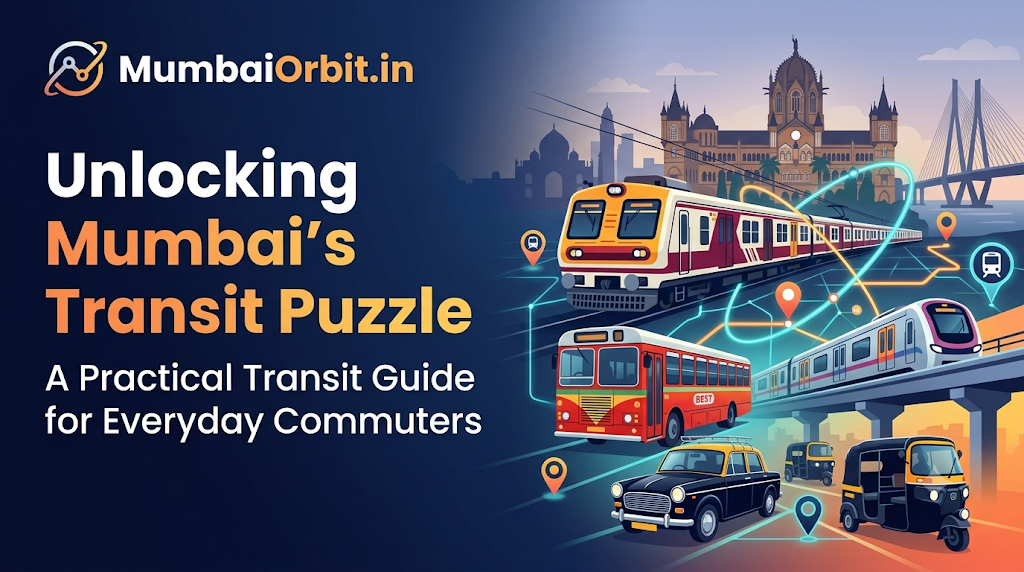
Few urban landscapes pulse with the intensity of Maharashtra’s premier metropolis. Driven by the relentless energy of millions of people on the move every single morning, getting from one end of the city to the other is a daily exercise in coordination, timing, and local know-how. If you are trying to make sense of your daily route or settling into a new routine across the city, navigating Mumbai successfully requires looking beyond rigid maps and tuning into how the city actually flows.
From legendary suburban rail corridors to modern additions detailed in every reliable Mumbai Metro Line 3 guide, public transport here is a dynamic ecosystem. This breakdown examines the structure of the city’s transit network, the realities of peak-hour movement, and why connecting with experienced locals makes all the difference for a stress-free journey.
The Railway Backbone: Navigating Western, Central, and Harbour Lines
To understand travel in Mumbai, you have to start with its suburban railway network. Divided into three major lifelines—the Western, Central, and Harbour lines—this rail grid carries millions of passengers daily, connecting outlying suburbs with major commercial districts in South Mumbai and beyond.
Each corridor maintains a distinct personality. The Western Line hugs the coastline, offering breezy stretches near neighborhoods like Bandra alongside heavy commuter traffic. The Central Line acts as a massive funnel for fast-growing residential hubs like Thane and Dombivli, handling colossal crowds during morning rush hours. Meanwhile, the Harbour Line provides essential connectivity to eastern pockets and across the creek toward Navi Mumbai.
For anyone new to the system, learning how trains operate takes observation. Knowing whether a train is “fast” or “slow”—and checking platform indicators to see which stations it skips—can prevent frustrating delays and missed connections.
Bridging the First-Mile and Last-Mile Gaps
A smooth journey seldom begins or ends right at the railway platform. The overall ease of your commute often relies heavily on first-mile and last-mile connectivity. Whether it is grabbing an auto-rickshaw in the western suburbs, hailing a share-taxi in South Mumbai, or hopping onto a feeder bus, these connecting links are essential.
During heavy monsoon downpours or peak evening hours, securing reliable transport for that final stretch can test anyone’s resilience. This makes proximity to transit hubs a top priority when choosing where to rent an apartment or set up an office.
The Modern Layer: Metro Expansion and Interchange Hubs
While suburban trains remain the primary workhorse of city transit, Mumbai’s transport grid is evolving rapidly with the expansion of high-capacity metro lines. Underground and elevated corridors have transformed cross-city travel, offering an air-conditioned alternative that bypasses surface road congestion entirely.
The real test of efficiency, however, happens at major interchange nodes where trains, metros, and buses intersect. Busy junctions like Dadar, Andheri, Ghatkopar, and Kurla require familiarity with pedestrian subways, foot overbridges, and digital ticketing gates. Veteran commuters advise keeping transit apps updated and factoring in extra buffer time when making multi-modal switches during peak hours.
Tapping Into Shared Knowledge on MumbaiOrbit.in
With a transit network as sprawling and fast-paced as Mumbai’s, official timetables only tell part of the story. Sudden operational adjustments, unexpected weather, and festival crowds mean that real-time adaptability is vital.
This is where peer-to-peer insights prove invaluable. Platforms like the MumbaiOrbit.in community forum serve as virtual spaces where residents, newcomers, and working professionals exchange practical advice, report transit delays, share monsoon commuting hacks, and discuss everything from finding housing near railway stations to discovering efficient alternate routes. Tapping into these shared lived experiences helps newcomers bypass trial-and-error and master the unwritten rules of city travel much faster.
Practical Rules for a Smarter Daily Commute
Navigating Mumbai’s fast-moving environment becomes much simpler when you adopt a few proven habits:
- Shift Your Schedule: Traveling slightly ahead of or behind the heaviest rush hours can dramatically improve your comfort on trains and buses.
- Learn Station Layouts: Knowing which foot overbridge or exit aligns best with your destination saves precious minutes every day.
- Prepare for the Rains: Monsoon readiness is essential; keep waterproof gear handy and monitor waterlogging updates through community channels.
- Embrace Digital Ticketing: Utilizing mobile transit apps and smart cards cuts down time spent standing in long queues at station counters.
Looking Ahead: Staying Mobile in a Growing City
As public infrastructure continues to expand, Mumbai’s transit network will keep adapting to the needs of its residents. Yet, the core essence of getting around the city will always depend on personal resourcefulness and community support. By combining a firm grasp of the railway grid with modern metro options and active participation in local networks, you can turn your daily commute into a predictable, manageable part of life in the metropolis.

Best Cardiac Hospitals Near You
Discover top heart hospitals, cardiology centers & cardiac care services by city.
Advanced Heart Care • Trusted Hospitals • Expert Teams
View Best Hospitals