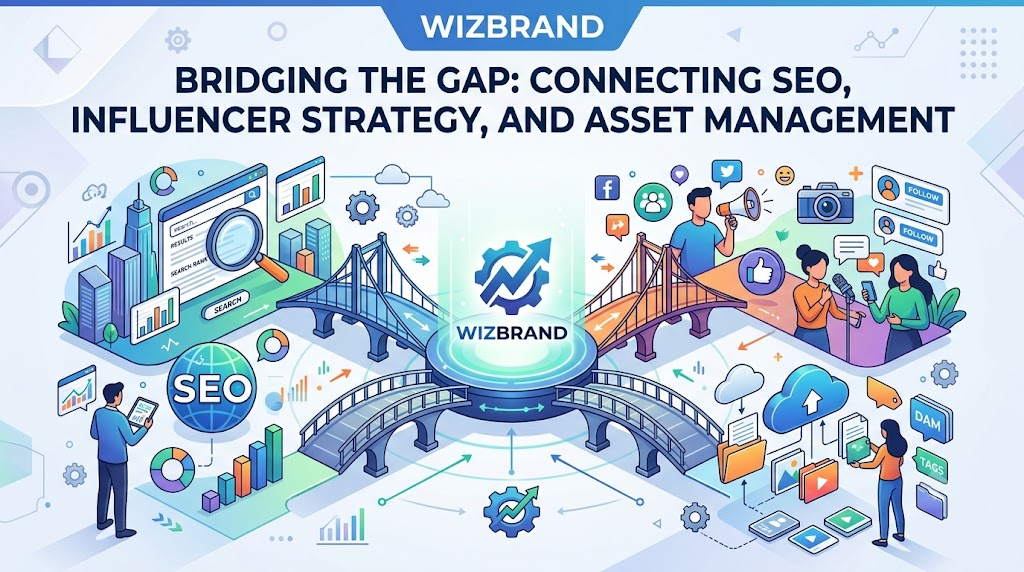
The digital marketing landscape has transformed into an intricate ecosystem where online visibility is no longer defined by search rankings alone. Today, professionals must navigate a convergence of search engine optimization, influencer outreach, and complex asset management. As the number of marketing channels continues to multiply, the technical burden of managing these distinct functions across a fragmented set of tools has become a significant barrier to growth and scalability.
This operational friction frequently results in disjointed data and inconsistent brand messaging. To resolve these challenges, marketing teams and agencies are shifting toward unified ecosystems. Platforms such as WizBrand, which you can explore at wizbrand, address these pain points by integrating SEO management software, influencer coordination, and digital asset organization into one centralized environment. By combining a reliable rank tracking tool with comprehensive campaign oversight, organizations can shift their focus from administrative maintenance to high-level strategic execution.
What is SEO Management Software?
SEO management software encompasses a suite of tools designed to streamline the technical and content-focused processes required to improve search engine visibility. Historically, these tools were limited to basic keyword research or site auditing. However, the modern definition has evolved to include end-to-end campaign management.
The core purpose of this software is to provide a comprehensive view of a website’s performance. Beyond merely tracking positions, these platforms now facilitate the entire SEO lifecycle, from initial research and content strategy to technical optimization and performance reporting. By housing these functions under one roof, SEO management software serves as the central nervous system for digital marketing operations, ensuring that tactical actions align with broader business objectives.
Why Businesses Need All-in-One SEO Platforms
The primary driver for the adoption of all-in-one SEO platforms is the mitigation of tool fragmentation. Many organizations fall into the trap of subscribing to a wide array of specialized tools—one for keyword research, another for rank tracking, a third for backlink analysis, and separate systems for influencer outreach.
This approach creates significant inefficiencies:
- Data Inconsistency: Different tools often use varying methodologies to calculate metrics, leading to conflicting data points.
- Reporting Challenges: Aggregating data from multiple sources to create a cohesive client report is time-consuming and prone to human error.
- Workflow Inefficiencies: Teams waste valuable time logging into different accounts, managing multiple subscriptions, and attempting to manually sync data across platforms.
- Collaboration Gaps: Without a centralized system, stakeholders often struggle to access the information they need to make informed, real-time decisions.
Core Features of SEO Software for Agencies
For digital marketing agencies, SEO software must provide both depth and breadth. High-performance platforms offer specific features that move beyond basic analytics:
- Rank Tracking Tool: Precision is vital. Modern tools provide granular tracking across various search engines, geographies, and device types, offering a clear view of how rankings shift over time.
- Keyword Tracking: Beyond individual rank positions, tracking keyword clusters helps identify topical authority and content gaps.
- Competitor Analysis: Understanding the landscape is essential. Agencies need to monitor competitors’ backlink profiles, organic keyword strategies, and content performance to identify opportunities for growth.
- SEO Reporting Software: The ability to generate automated, white-label reports that translate complex technical data into actionable insights for clients is a cornerstone of agency success.
- Automation Capabilities: Automating routine tasks, such as site audits and scheduled reporting, allows agencies to focus on high-value strategy rather than repetitive maintenance.
Understanding Influencer Marketing Platforms
As SEO becomes more reliant on authority and social signals, influencer marketing has become a critical component of the broader search strategy. An influencer marketing platform provides the infrastructure to manage these relationships efficiently.
These platforms typically act as an influencer marketplace, allowing teams to discover, vet, and contact potential partners based on industry relevance, audience demographics, and engagement rates. Furthermore, influencer campaign management software allows for the seamless execution of collaborations—from briefing and contract management to tracking the performance of sponsored content. By integrating this with SEO workflows, marketers can ensure that influencer-driven traffic and backlinks are correctly monitored and factored into overall site performance metrics.
Role of Digital Asset Management in Marketing
Effective digital marketing requires a library of high-quality creative assets, ranging from infographics and blog imagery to videos and whitepapers. Marketing asset management software is the solution to the common problem of “asset sprawl,” where files are scattered across emails, hard drives, and cloud storage folders.
These systems provide a centralized repository for digital assets, ensuring brand consistency and streamlining collaboration. By maintaining a single source of truth, teams can easily reuse high-performing content across different campaigns, track asset versions, and ensure that only approved branding materials are deployed in marketing initiatives.
Benefits of Using an All-in-One SEO Platform
The transition to a unified platform offers tangible benefits that directly impact the bottom line:
- Centralized Operations: Having SEO, influencer, and asset management in one place eliminates the need for constant context switching.
- Improved Productivity: Automated workflows reduce the time spent on manual data entry and report preparation.
- Better Reporting Accuracy: Using a single source of data ensures consistency across all reports, building greater trust with clients and stakeholders.
- Faster Campaign Execution: Integrated tools allow for quicker transitions from strategy to implementation, shortening the time between identifying an opportunity and executing a campaign.
- Data-Driven Decisions: Unified dashboards provide a holistic view of the marketing ecosystem, allowing for more accurate, data-backed strategic planning.
Challenges in SEO and Influencer Campaign Management
Despite the availability of tools, the industry still struggles with significant hurdles. Data silos remain the most prominent challenge; when influencer marketing data lives in a separate system from SEO performance data, it is impossible to accurately attribute search ranking improvements to specific social campaigns.
Furthermore, reporting delays—caused by the need to manually consolidate data—often lead to reactive rather than proactive strategies. If an agency cannot see the impact of a campaign until weeks after it concludes, they lose the ability to make real-time optimizations. The lack of integration between these marketing disciplines continues to be a primary source of friction for growing teams.
How Modern Platforms Solve These Challenges
The latest generation of marketing platforms addresses these issues through system-level integration. By utilizing unified dashboards, teams can correlate data across channels, viewing organic search performance alongside influencer-driven traffic in a single window.
Automation is the engine behind these solutions. Real-time tracking of rankings and influencer campaign progress ensures that stakeholders are always informed. Because these platforms support integrated workflows, a change in strategy at the SEO level can immediately inform how influencer content is briefed or how assets are developed. This cross-channel visibility allows for a cohesive strategy where every action reinforces the others.
Use Cases of SEO and Marketing Platforms
The versatility of all-in-one platforms makes them suitable for a wide range of organizations:
- SEO Agencies: These firms benefit from the ability to manage multiple client accounts from a single interface, providing scalability and professional reporting.
- E-commerce Brands: E-commerce sites require constant monitoring of product rankings and category performance, often supported by influencer-driven seasonal campaigns.
- SaaS Companies: SaaS marketers focus heavily on content-led SEO and authority building, where asset management and tracking are paramount to measuring lead generation success.
- Influencer Marketing Teams: These departments gain the ability to quantify the ROI of their partnerships by linking social efforts to long-term SEO gains.
- Digital Media Agencies: Full-service agencies leverage these platforms to maintain visibility over complex, multi-layered marketing projects.
Choosing the Right SEO Management Software
Selecting the correct platform requires a careful assessment of internal needs. When evaluating options, consider the following criteria:
- Ease of Use: If the software is overly complex, team adoption will be low. Look for intuitive interfaces.
- Integration Capability: Does the platform play well with your existing tech stack, such as CRM or analytics software?
- Reporting Features: Are the reports customizable, automated, and professional enough for client or executive presentation?
- Scalability: Can the platform grow with your team? Ensure it can handle increasing volumes of data and multiple user seats.
- Collaboration Tools: Look for built-in features that allow for task assignment, commenting, and shared access.
- Data Accuracy: Ensure the tool uses reliable data sources for its rank tracking and competitive analysis.
Future of SEO and Influencer Marketing Platforms
The future of these platforms lies in deeper intelligence. We are moving toward a period defined by AI-driven SEO, where platforms will not only track data but proactively suggest optimizations. Predictive analytics will allow marketers to forecast the success of content or influencer campaigns before they launch.
Automated reporting will become increasingly sophisticated, with AI generating natural language summaries of performance trends. Furthermore, influencer AI matching will move beyond simple demographics, analyzing sentiment and historical content performance to predict which partnerships will drive the highest impact. The trajectory is clearly toward unified marketing ecosystems that act as intelligent partners in the growth process.
Market Context Insight: Why All-in-One SEO Platforms Matter
The marketing industry is experiencing a fundamental shift from a tool-based mindset to a platform-based mindset. In the past, the focus was on finding the most powerful tool for a specific, narrow task. Today, the priority has shifted to building a cohesive, integrated environment that handles the entirety of a campaign’s lifecycle.
Systems like WizBrand illustrate this evolution. By offering a platform that combines the tactical needs of SEO—such as rank tracking—with the strategic needs of influencer management and asset organization, these systems allow agencies and enterprises to reclaim the time previously lost to managing tool fragmentation. The real-world benefit is a move toward more cohesive, effective, and transparent marketing operations that can scale efficiently in a crowded digital landscape.
Frequently Asked Questions
What is SEO management software? SEO management software is a collection of tools used to optimize, track, and report on a website’s performance in search engines, helping marketers manage technical and content strategies.
Why do agencies need SEO software? Agencies require these tools to manage multiple clients efficiently, provide accurate and professional reporting, and identify growth opportunities through data analysis.
What is an all-in-one SEO platform? An all-in-one platform centralizes various marketing functions—such as rank tracking, competitor analysis, and reporting—into a single interface to reduce tool fragmentation.
How does rank tracking work? Rank tracking tools continuously monitor the position of specific keywords in search engine result pages, allowing users to measure the impact of their SEO efforts over time.
What is SEO reporting software used for? This software compiles complex performance data into clear, actionable reports for clients or management, saving time and improving data transparency.
What is an influencer marketing platform? These platforms provide the tools needed to discover, manage, and track influencers for marketing campaigns, including relationship and content management.
What is influencer campaign management software? It is software specifically designed to handle the logistical aspects of influencer campaigns, such as contracting, communication, and tracking post performance.
How does digital asset management help marketers? Digital asset management software organizes creative files, ensuring brand consistency and making it easier for teams to find, use, and update marketing materials.
What is marketing asset management software? It is a system used to manage the storage, organization, and distribution of brand-related marketing assets to ensure efficiency and compliance.
Why are all-in-one tools better than multiple SEO tools? All-in-one tools reduce administrative overhead, ensure data consistency across channels, and streamline workflows by keeping all marketing functions in one location.
Who should use SEO software for agencies? SEO agencies, in-house marketing teams, e-commerce businesses, and digital growth agencies benefit from the scalability and comprehensive oversight these tools provide.
How is SEO evolving with AI tools? SEO is evolving through AI by incorporating predictive analytics, automated content optimization, and intelligent matching for influencer and outreach campaigns.
Final Thoughts
The convergence of SEO, influencer marketing, and digital asset management is no longer a luxury but a requirement for teams looking to maintain a competitive edge. As the digital landscape continues to expand, the ability to manage these functions through a unified, centralized platform will distinguish high-performing organizations from those stalled by operational complexity. By adopting integrated systems that prioritize efficiency and data-driven decision-making, marketing teams can focus on their ultimate goal: delivering meaningful, measurable growth for their brands and clients.

Best Cardiac Hospitals Near You
Discover top heart hospitals, cardiology centers & cardiac care services by city.
Advanced Heart Care • Trusted Hospitals • Expert Teams
View Best Hospitals