Introduction
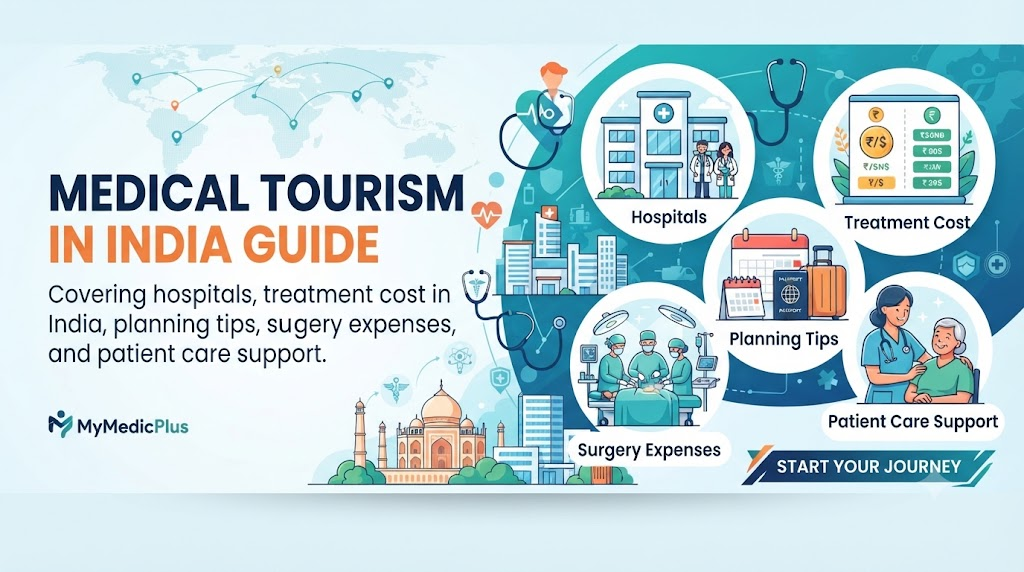
Medical tourism in India has become a trusted choice for many patients who want quality healthcare, experienced doctors, advanced hospitals, and affordable treatment options. International and domestic patients often choose India for major medical procedures such as knee replacement surgery, heart bypass surgery, orthopedic care, cardiac treatment, cancer care, diagnostics, and other specialized treatments because the country offers a strong mix of skilled healthcare providers, modern medical facilities, English-speaking medical teams, and comparatively lower treatment costs. However, choosing treatment in India should always be done with proper planning, hospital comparison, doctor evaluation, cost understanding, and post-treatment care guidance so that patients and families can make safe, informed, and confident healthcare decisions.
Key Takeaways
- India offers many treatment options for domestic and international patients.
- Treatment costs vary widely by hospital, city, surgeon, room category, medical condition, diagnostic needs, and recovery time.
- Patients should compare hospitals based on quality standards, doctor expertise, patient support, and transparent cost estimates.
- Knee replacement surgery cost in India and heart bypass surgery cost in India can differ significantly depending on procedure type and case complexity.
- A written treatment estimate, second opinion, visa planning, and post-treatment care plan are important before travel.
- Healthcare platforms such as MyMedicPlus can help patients research hospitals, compare treatment options, and plan medical care more clearly.
Why Patients Choose Medical Tourism in India
Medical tourism in India attracts patients from Asia, Africa, the Middle East, Europe, and other regions. Some patients travel because treatment is expensive in their home country. Others look for faster access to surgery, specialist doctors, or advanced medical procedures.
Common Reasons Patients Consider India
Patients often explore healthcare in India because of:
- Affordable healthcare compared with many Western countries
- Experienced specialist doctors in cardiac, orthopedic, oncology, transplant, fertility, and neurology care
- Large private hospital networks in major cities
- English-speaking doctors and coordinators
- Modern diagnostic and surgical facilities
- Availability of second opinions
- Shorter waiting time for selected procedures
- Medical travel support for international patients
- Post-treatment rehabilitation and follow-up options
India also has formal hospital accreditation systems. NABH states that accredited healthcare organizations follow benchmarks connected with quality and patient safety, which can help patients assess hospital standards before choosing care.
Common Treatments Sought by International Patients
International patients visit Indian hospitals for both planned and complex medical procedures. The most common categories include:
Orthopedic Surgery
Orthopedic surgery is one of the major reasons patients travel to India. Common procedures include:
- Knee replacement
- Hip replacement
- Spine surgery
- Shoulder replacement
- Sports injury treatment
- Arthroscopy
- Fracture reconstruction
Knee replacement surgery is often considered by patients with severe arthritis, pain, stiffness, or mobility problems. However, the decision must be made by an orthopedic surgeon after clinical examination, imaging, and medical evaluation.
Cardiac Surgery
India is also known for cardiac surgery and heart care services. Common treatments include:
- Heart bypass surgery
- Angioplasty
- Valve replacement
- Pacemaker implantation
- Pediatric cardiac surgery
- Heart failure evaluation
Heart bypass surgery, also called coronary artery bypass grafting or CABG, is usually advised for selected patients with serious coronary artery blockages. The final decision depends on angiography results, heart function, age, diabetes status, kidney health, and overall risk.
Other Medical Procedures
Patients also travel for:
- Cancer treatment
- Liver and kidney transplant evaluation
- Fertility treatment
- Cosmetic and reconstructive surgery
- Eye surgery
- Dental implants
- Bariatric surgery
- ENT procedures
- Neurology and neurosurgery
- Advanced diagnostic tests
Best Hospitals in India for International Patients: How to Choose
The phrase “best hospitals in India for international patients” should not mean the same hospital for every patient. The best hospital depends on the disease, procedure, medical risk, budget, city preference, doctor availability, and recovery needs.
Hospital Selection Checklist
Before choosing an Indian hospital, patients should check:
- Hospital accreditation
Look for NABH, JCI, or other recognized quality certifications where available. - Specialty strength
A hospital strong in cardiac surgery may not be the best choice for orthopedic surgery. Match the hospital to the treatment. - Doctor experience
Review the surgeon’s specialization, years of experience, procedure volume, and patient communication style. - International patient department
International patients may need help with appointments, airport pickup, interpreters, admission, billing, and discharge documents. - Transparent cost estimate
Ask what is included and excluded in the package. - Emergency and ICU support
For major surgery, check ICU availability, blood bank access, emergency team strength, and specialist backup. - Post-treatment care
Recovery support, physiotherapy, wound care, and teleconsultation matter after discharge. - Patient reviews and case handling
Reviews are useful, but they should be read carefully. Focus on treatment coordination, cleanliness, billing clarity, and doctor communication.
Hospital Comparison Table for Patients
| Comparison Factor | Why It Matters | What Patients Should Ask |
|---|---|---|
| Accreditation | Indicates quality and safety standards | Is the hospital NABH or internationally accredited? |
| Specialty Department | Ensures disease-specific expertise | How many similar cases are handled regularly? |
| Surgeon Experience | Directly affects planning and risk discussion | Who will perform the surgery? |
| ICU and Emergency Care | Important for complex procedures | Is 24/7 emergency and ICU support available? |
| Cost Transparency | Prevents billing confusion | What is included in the estimate? |
| International Desk | Supports foreign patients | Is visa, language, and admission support available? |
| Diagnostics | Helps complete evaluation quickly | Are major tests available in-house? |
| Recovery Services | Supports safe healing | Is physiotherapy or follow-up care provided? |
| Discharge Documentation | Needed for home-country doctors and insurance | Will reports, bills, and summaries be shared clearly? |
Understanding Treatment Cost in India
Treatment cost in India is not fixed. Even for the same procedure, two hospitals may provide different estimates because the patient’s condition, city, surgeon, implant choice, room category, and hospital package may differ.
Main Factors That Affect Treatment Cost
Treatment expenses may change depending on:
- Hospital location
- Hospital category
- Surgeon’s experience
- Type of procedure
- Medical complexity
- Patient’s age and health condition
- Diagnostic tests required
- Implant, stent, or device cost
- ICU requirement
- Room category
- Medicines and consumables
- Complications, if any
- Length of hospital stay
- Post-operative care
- Physiotherapy or rehabilitation
- Follow-up consultations
A reliable estimate should clearly mention inclusions and exclusions. Patients should avoid choosing a hospital only because the first quote looks cheaper.
Estimated Cost Table for Common Procedures in India
The following ranges are general estimates. Actual costs can be higher or lower after medical review.
| Treatment | Estimated Cost Range in India | Key Cost Factors |
|---|---|---|
| Knee Replacement Surgery | ₹1.5 lakh – ₹5 lakh per knee | Implant type, robotic assistance, hospital, room, physiotherapy |
| Bilateral Knee Replacement | ₹3.5 lakh – ₹8 lakh or more | Both knees, implant selection, hospital stay, rehabilitation |
| Heart Bypass Surgery | ₹2 lakh – ₹5.5 lakh or more | Number of grafts, ICU stay, heart function, hospital category |
| Angioplasty | Varies widely | Stent type, number of stents, cath lab charges |
| Hip Replacement | Varies by implant and city | Implant material, surgeon, hospital stay |
| Spine Surgery | Highly variable | Level of spine, implants, neuromonitoring, ICU need |
Published hospital and healthcare cost references show wide variation. Apollo Hospitals Bangalore states knee replacement may typically cost around ₹1,50,000 to ₹3,00,000 depending on patient circumstances, while other Indian estimates place total knee replacement ranges higher depending on implant, hospital, and room category. Heart bypass surgery estimates also vary; HCG Hospitals notes a broad range of around ₹2,00,000 to ₹5,50,000, while other medical travel cost references list CABG costs in India across wider ranges depending on case and hospital.
Knee Replacement Surgery Cost in India
Knee replacement surgery cost in India depends mainly on whether the patient needs partial, total, unilateral, bilateral, or robotic-assisted knee replacement.
Factors Affecting Knee Replacement Cost
The final cost may depend on:
- One knee or both knees
- Partial or total knee replacement
- Implant brand and material
- Robotic or conventional surgery
- Surgeon’s fees
- Hospital stay duration
- Physiotherapy sessions
- Pre-surgery tests
- Room category
- Medicines and consumables
- Patient’s diabetes, heart condition, obesity, or other risks
What Patients Should Ask Before Knee Replacement
Before confirming surgery, ask the hospital:
- Which implant is included in the package?
- Is physiotherapy included?
- How many days of hospital stay are included?
- What happens if extra hospital stay is needed?
- Are blood tests, X-rays, ECG, and anesthesia evaluation included?
- Is robotic surgery required or optional?
- What is the expected recovery plan?
- When can the patient travel back home?
Patients should also ask about home-country follow-up. After knee replacement, physiotherapy and regular movement are important parts of recovery.
Heart Bypass Surgery Cost in India
Heart bypass surgery cost in India can vary more than many other procedures because cardiac patients may have additional medical risks.
Factors Affecting Heart Bypass Cost
Cost may change based on:
- Number of blocked arteries
- Number of grafts needed
- On-pump or off-pump surgery
- ICU stay
- Heart function
- Diabetes, kidney disease, lung disease, or previous heart attack
- Blood product requirement
- Medicines
- Length of hospital stay
- Complications, if any
What Patients Should Ask Before CABG
Before choosing a cardiac hospital, ask:
- Who is the cardiac surgeon?
- How many CABG surgeries does the team perform?
- Is ICU care included in the estimate?
- What pre-surgery tests are required?
- How many days of hospital stay are included?
- What is excluded from the package?
- What emergency support is available?
- What follow-up is needed after returning home?
Heart bypass surgery is a major procedure. Patients should always consult a qualified cardiologist and cardiac surgeon before making a treatment decision.
Medical Tourism Planning Process
Medical travel should be planned step by step. Rushing into surgery without proper evaluation can create medical, financial, and travel-related problems.
Step 1: Collect Medical Records
Patients should prepare:
- Recent doctor notes
- Diagnosis summary
- Blood test reports
- Imaging reports
- X-rays, MRI, CT scan, or angiography
- Current medicines
- Allergy details
- Previous surgery records
- Passport copy for international planning
Step 2: Request a Second Opinion
A second opinion helps patients understand whether surgery is required, whether there are non-surgical options, and what risks may apply.
A healthcare information platform can help patients organize treatment details, compare hospitals, and understand what questions to ask before making a decision. MyMedicPlus describes services such as treatment match-making, second opinions, medical journey coordination, transparent cost comparison, and aftercare support.
Step 3: Compare Hospitals and Doctors
Do not compare only price. Compare:
- Doctor experience
- Hospital quality
- Accreditation
- Patient support
- ICU backup
- Infection control
- Recovery care
- Cost inclusions
- Follow-up process
Step 4: Confirm Cost Estimate
Ask for a written estimate with:
- Surgery cost
- Doctor fee
- Hospital stay
- Room category
- Diagnostic tests
- Medicines
- Implants or devices
- ICU charges
- Nursing charges
- Physiotherapy
- Exclusions
- Possible extra charges
Step 5: Plan Visa and Travel
International patients may need a medical visa or related travel documentation. India has a Medical and Ayush Visa Portal maintained by the Government of India, and patients should check current requirements through official channels or the nearest Indian embassy before travel.
Step 6: Plan Recovery Before Returning Home
Patients should not book return tickets too early. Recovery time depends on the procedure. Some patients may need stitch removal, wound checks, physiotherapy, cardiac review, or repeat tests before flying.
Expert Tips for Safer Healthcare Planning
Tip 1: Ask for a Detailed Medical Opinion
A short price quote is not enough. Ask the doctor to review reports and explain the expected treatment plan.
Tip 2: Compare Package Inclusions
Two hospitals may quote different prices because one includes ICU, implant, tests, and physiotherapy while another does not.
Tip 3: Check Accreditation and Safety Standards
Hospital accreditation is not the only factor, but it is an important signal of structured quality and safety systems.
Tip 4: Keep Extra Budget
Patients should keep an additional budget for extra stay, medicines, unexpected tests, or delayed recovery.
Tip 5: Confirm Follow-Up Support
Ask whether the hospital provides online follow-up after the patient returns home.
Tip 6: Avoid Unrealistic Promises
No hospital can guarantee results. Genuine healthcare providers explain benefits, risks, limitations, and recovery expectations clearly.
Patient Preparation Checklist
Before traveling for treatment, patients should prepare the following:
- Passport and visa documents
- Medical reports and prescriptions
- Doctor referral letter, if available
- Insurance documents, if applicable
- Emergency contact details
- Attendant travel plan
- Local accommodation details
- Hospital appointment confirmation
- Written cost estimate
- Currency and payment plan
- Copies of all reports in digital format
- List of current medicines
- Allergy and medical history note
- Post-treatment stay plan
- Follow-up schedule
Role of Patient Assistance in Medical Tourism
For international patients, treatment is not only about surgery. It includes medical records, hospital shortlisting, doctor appointments, travel timing, admission, billing, discharge, and recovery planning.
A medical assistance platform may support patients by helping them understand treatment options, compare hospital services, estimate expenses, and coordinate important steps before and after treatment. This is especially useful for families who are comparing multiple hospitals or planning care from another country.
Good patient assistance should be transparent. It should not pressure patients into one hospital. It should help patients ask better questions and make informed choices.
Internal and External Publishing Note
For an internal MyMedicPlus blog, the article can naturally guide readers toward using a hospital comparison resource for treatment planning, cost comparison, and patient support. For external publication, the brand mention should remain limited and educational.
Frequently Asked Questions
1. Is medical tourism in India safe for international patients?
Medical tourism in India can be safe when patients choose accredited hospitals, experienced doctors, and reliable care coordination. Patients should review hospital quality, doctor credentials, infection control, ICU support, and written treatment plans before traveling.
2. How much does treatment cost in India?
Treatment cost in India varies by procedure, hospital, city, doctor, patient condition, tests, room category, and recovery needs. A minor procedure may cost far less than major cardiac, orthopedic, cancer, or transplant-related treatment.
3. What is the knee replacement surgery cost in India?
Knee replacement surgery cost in India may range from around ₹1.5 lakh to ₹5 lakh per knee in many private hospital settings, but costs can increase with robotic surgery, premium implants, bilateral surgery, or complex medical conditions.
4. What is the heart bypass surgery cost in India?
Heart bypass surgery cost in India may range from around ₹2 lakh to ₹5.5 lakh or more, depending on the hospital, surgeon, ICU stay, number of grafts, patient risk, and post-operative care requirements.
5. How do I choose the best hospital in India for international patients?
Choose based on specialty experience, accreditation, doctor expertise, ICU support, transparent pricing, international patient services, communication quality, and post-treatment follow-up. The “best” hospital depends on the patient’s exact medical need.
6. Do international patients need a medical visa for India?
Many international patients require a medical visa or related travel approval depending on nationality, treatment type, and current rules. Patients should verify requirements through official government sources or the nearest Indian embassy before travel.
7. Are treatment packages in India fixed?
Not always. Some hospitals offer packages, but final billing may change if extra tests, ICU stay, complications, blood products, implants, or longer admission are required. Patients should ask for written inclusions and exclusions.
8. Can patients get a second opinion before traveling?
Yes. Many hospitals and healthcare platforms allow patients to share reports online for a medical opinion before travel. This helps patients understand treatment options, estimated cost, and expected hospital stay.
9. What should patients carry when traveling for surgery?
Patients should carry medical reports, prescriptions, imaging files, passport, visa documents, insurance papers, allergy details, current medicine list, and written hospital appointment confirmation.
10. Is post-treatment care important after returning home?
Yes. Follow-up care is important after major procedures such as knee replacement or heart bypass surgery. Patients should confirm teleconsultation, medicine instructions, wound care, physiotherapy, and emergency warning signs before discharge.
Conclusion
Medical tourism in India can be a practical choice for patients seeking quality healthcare, specialist doctors, and affordable treatment options. However, safe medical travel requires careful planning. Patients should compare hospitals, understand treatment cost in India, review doctor experience, check accreditation, and ask for a clear written estimate before making a decision.
For procedures such as knee replacement surgery and heart bypass surgery, cost should never be the only deciding factor. The right hospital should offer medical expertise, patient safety, transparent communication, emergency readiness, and post-treatment care.
Patients and families should consult qualified healthcare professionals before confirming any medical procedure. With proper research, second opinions, and organized healthcare planning, India can offer strong treatment options for both domestic and international patients.

Best Cardiac Hospitals Near You
Discover top heart hospitals, cardiology centers & cardiac care services by city.
Advanced Heart Care • Trusted Hospitals • Expert Teams
View Best Hospitals